Living Among Native Wildlife
DeSoto Bluffs Campground sits in a rich Appalachian foothills ecosystem where forests, rocky bluffs, creeks, and fields support an incredible variety of mammals, birds, reptiles, amphibians, and insects. As guests, we are temporary visitors in the year-round homes of these animals.
This guide highlights common wildlife you may encounter in Northeast Alabama and offers simple practices to help you peacefully coexist, appreciate animals from a distance, and avoid disturbing their habitat.
Common Mammals You May See
Deer, Squirrels, and Small Mammals
White-tailed deer, eastern gray squirrels, chipmunks, rabbits, and small forest mammals like mice, voles, and shrews are common in the woods and along the edges of clearings.
- Enjoy watching them at dawn or dusk from your campsite or along trails.
- Never offer food or leave out snacks, trash, or pet food that could attract them.
- Keep children from chasing wildlife so animals can move freely and safely.
Raccoons, Opossums, Foxes, and Skunks
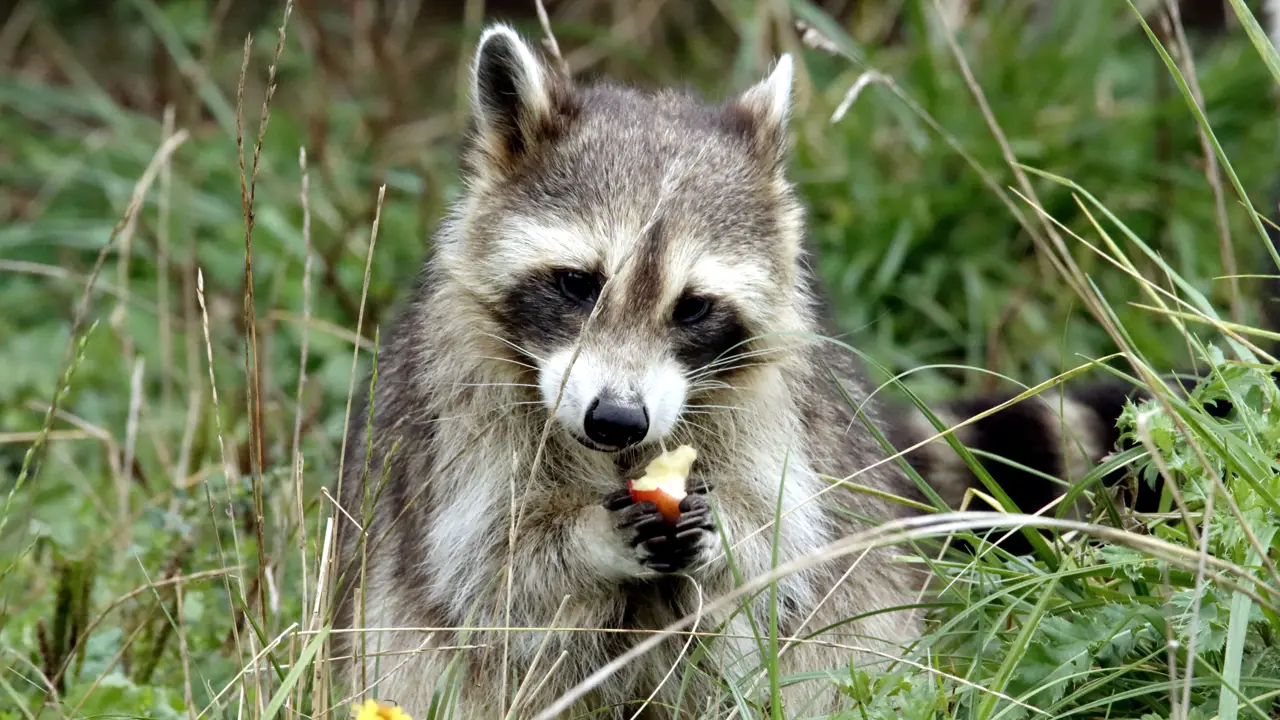
Nocturnal visitors like raccoons, opossums, gray and red foxes, and skunks often roam at night in search of easy meals.
- Secure all food, coolers, and trash in your RV or designated containers before dark.
- Never approach animals that seem unusually bold or comfortable around people.
- If you see a skunk, give it plenty of space and a clear escape route.
Armadillos, Bats, and Occasionally Black Bears
Armadillos may root quietly in soft soil, and bats often appear at dusk feeding on flying insects. In the broader region, black bears are uncommon but are slowly returning to some Appalachian areas.
- Watch bats from a distance and avoid disturbing roosts in trees, buildings, or caves.
- Store all scented items (food, trash, toiletries) securely so they do not attract larger wildlife.
- If you ever encounter a bear at a distance, stay calm, back away slowly, and never feed or approach it.
Birds of the Bluffs and Forests
Songbirds and Backyard Favorites
Blue jays, cardinals, chickadees, titmice, wrens, finches, and robins are commonly seen and heard around trees, edges, and open areas. Seasonal migrants add splashes of color and song throughout the year.
- Use binoculars or a camera zoom instead of getting closer to nests or perches.
- Never handle eggs, feathers, or young birds you might find on the ground.
- Observe quietly so birds can continue feeding, singing, and caring for their young.
Birds of Prey and Vultures
Hawks, owls, and vultures ride thermals along the bluffs and forest edges while hunting or cleaning up carrion.
- Enjoy their soaring and hunting behavior from overlooks and open clearings.
- Do not disturb roosting sites, nest trees, or cliff faces that may harbor nests.
- Keep drones, kites, and other aerial devices away from birds in flight.
Reptiles, Amphibians, and Pond Life
Snakes, Turtles, and Lizards
A mix of harmless and venomous snakes lives in forest leaf litter, rock outcrops, and near water, while turtles and lizards bask on logs and warm rocks.
- Watch your step on trails, especially around rocks, tall grass, and wood piles.
- Never attempt to handle or move a snake; give any snake plenty of space and allow it to move away.
- Leave turtles and lizards where you find them and avoid stacking rocks that might crush or expose hiding places.
Frogs, Salamanders, and Aquatic Life
Frogs, toads, salamanders, fish, and aquatic insects rely on clean water, leaf litter, and shaded creek banks.
- Avoid wading in delicate spring runs or muddying small creeks that amphibians depend on.
- Do not move rocks in streams or around the pond that may shelter eggs or small wildlife.
- Never release bait, aquarium pets, or non-native species into any water.
Insects, Spiders, and Pollinators
Bees, Butterflies, and Other Pollinators
Bees, butterflies, and moths pollinate wildflowers, garden plants, and trees throughout the growing season.
- Admire pollinators from a distance and avoid swatting or spraying unless there is a direct safety concern.
- Stay on paths so you do not trample blooming plants and low-growing flowers.
- Keep sugary drinks and foods covered to avoid attracting stinging insects to picnic areas.
Ants, Beetles, Spiders, and Ticks
Forest floors and grassy edges are busy with ants, beetles, spiders, and ticks, all playing roles in the local food web.
- Use insect repellent and check yourself and pets for ticks after hikes or time in tall grass.
- Shake out shoes, chairs, and blankets before use to avoid unwanted surprises.
- Allow spiders and non-problem insects outside your RV or tent to remain undisturbed whenever possible.
Coexisting Respectfully
Keep Wildlife Wild
Feeding wildlife, even once, can change an animal’s behavior, draw it closer to roads and people, and ultimately put both animals and visitors at risk.
- Store all food, trash, grilling supplies, and pet food in secure containers or inside your RV.
- Clean grills, picnic tables, and outdoor cooking areas after each use.
- Supervise children so they understand that wildlife is not to be chased, touched, or fed.
Protect Habitat and Water
The forests, soil, rocks, and waterways around DeSoto Bluffs are the foundation for the entire wildlife community.
- Stay on established roads, trails, and campsite pads to avoid erosion and habitat damage.
- Dispose of gray water, trash, and chemicals only in designated locations.
- Use biodegradable soaps sparingly and never wash dishes or gear directly in creeks or the pond.
Be a Quiet Guest
Many animals are most active at dawn, dusk, and night, using sound to communicate, hunt, and avoid predators.
- Keep voices and music low, especially during early morning and evening hours.
- Use soft, warm lights instead of bright spotlights that can disrupt nocturnal wildlife.
- Enjoy the natural night sounds — frogs, insects, owls — as part of the DeSoto Bluffs experience.
Your Role as a Wildlife Steward
Every choice you make during your stay helps shape the health of the land and the animals that live here. When you pack out all waste, protect water, stay on trails, and keep your distance from wildlife, you ensure that future visitors can enjoy the same vibrant, living landscape.
Thank you for helping DeSoto Bluffs Campground remain a safe, peaceful place where people and wildlife can thrive together.