
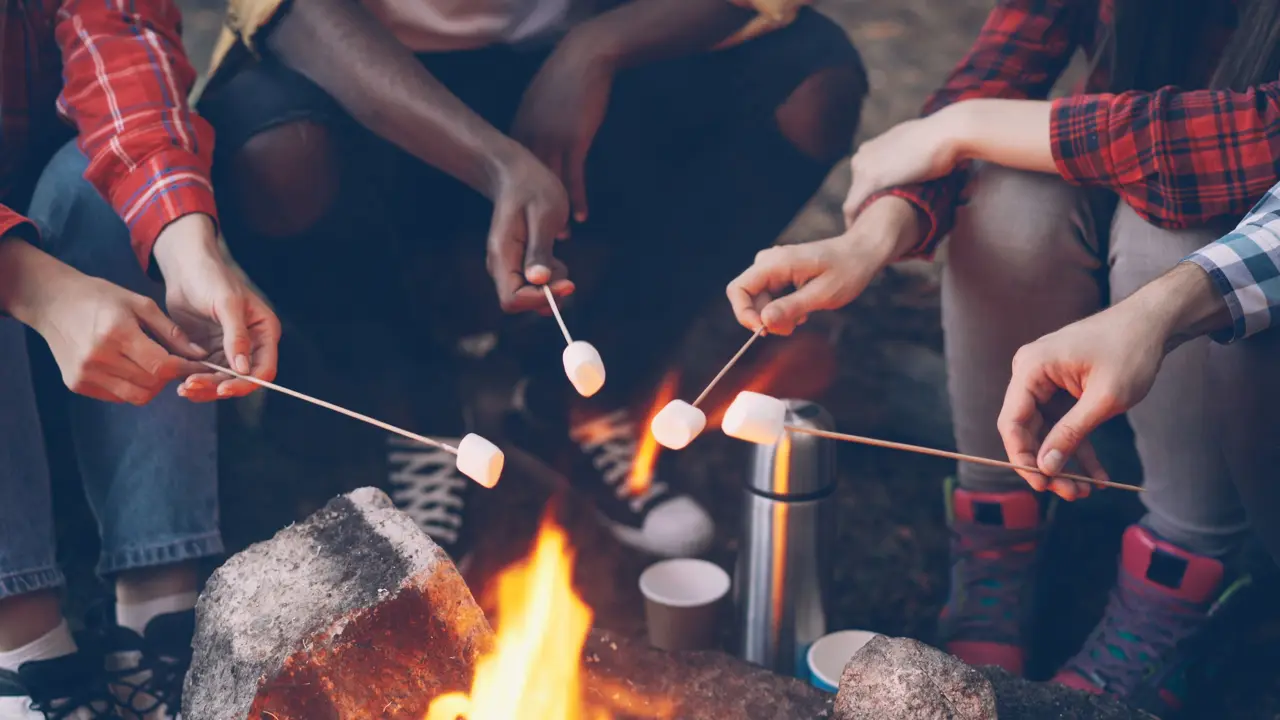
Campfires bring people together, make chilly evenings comfortable, and turn simple meals into memorable experiences. At the same time, every open flame carries risk if it isn't handled with care. Wind, dry conditions, and inattention can turn a small fire into a serious emergency in just a few minutes.
This guide walks through practical steps for building, tending, and extinguishing your fire so you and your neighbors can relax and enjoy the campground safely.
Before You Strike a Match
Good fire safety starts before you ever light a spark. A quick check of conditions and rules can prevent problems later in the evening.
Check campground rules and fire conditions
- Read posted campground fire rules at check‑in or on the information board.
- Ask staff about any burn bans, wind advisories, or special restrictions in effect.
- Only use designated fire rings or pits; do not build new fire sites or burn on bare ground.
Choose a safe fire spot
- Use only the campground's designated fire pits.
- Make sure the area around the ring is clear of leaves, pine needles, and dry grass for several feet.
- Keep fires well away from RV awnings, camping chairs, propane tanks, and vehicles.
Building a Fire the Right Way
A small, well‑built fire is safer, easier to control, and more enjoyable than a huge blaze that throws sparks and smoke across the campground.
Keep it small and manageable
- Build a fire only as large as you need for warmth or cooking.
- Keep flames well below the top of the fire ring or pit.
- Add wood slowly instead of piling on several large logs at once.
Use the right materials
- Burn only dry, seasoned firewood; avoid green wood that smokes heavily.
- Never burn trash, plastics, cans, glass, or treated/painted wood.
- Use kindling and fire starters designed for campfires—never gasoline, lighter fluid, or other accelerants.
Staying with Your Fire: Supervision and Courtesy
A campfire should always have a responsible adult nearby. Think of it like a stove left on—if no one is watching it, it should be turned off.
Always keep the fire attended
- Never leave a burning or smoldering fire unattended, even for a short walk.
- Have an adult present whenever children or pets are near the fire.
- Teach kids to respect the fire ring—no running, pushing, or playing near flames or hot metal.
Be smoke‑ and spark‑aware for your neighbors
- Build your fire on the upwind side of your own site when possible so smoke blows away from neighboring RVs and tents.
- Keep fires small to reduce drifting smoke and floating embers.
- If a neighbor's site is getting heavy smoke, consider letting the fire burn down or adjusting the wood you're using.
Keep pets and gear a safe distance away
- Place chairs, coolers, and tables far enough back that people aren't leaning over flames or hot coals.
- Keep dogs leashed and well away from the ring so they don't step into hot ash or trip someone near the fire.
- Close RV awnings if sparks are drifting in that direction.
Putting the Fire Completely Out
A fire is not out until the ashes are cool enough to touch. Glowing coals can hide under ash and restart with a bit of wind long after everyone has gone to bed.
“Drown, stir, and feel” method
- Let the fire burn down naturally until you are left with glowing coals and small pieces of wood.
- Slowly pour water over the coals until the hissing stops and the steam dies down.
- Use a stick or shovel to stir the ashes, exposing any hot pockets, then add more water.
- Repeat until the entire fire area is cool to the touch—no heat, no glow, no smoke.
Before you go to bed or leave the site
- Fully extinguish the fire every night, even if you plan to build another one the next evening.
- Do not leave partially burned logs sticking out of the ring or leaning on the metal edge.
- Check the ground around the fire ring for any embers or burned debris.
Being a Good Neighbor with Your Campfire
Fire safety is about more than just preventing accidents; it's also about making sure everyone around you can enjoy their time outdoors.
Respect quiet hours and nighttime comfort
- Know the campground's quiet hours and plan to let your fire burn down before that time.
- Keep voices low around the fire late at night so nearby guests can sleep.
- Be mindful of bright flames and smoke drifting toward bedroom windows of neighboring RVs.
Leave your site clean
- Burn wood only—never leave cans, foil, or trash in the fire ring.
- Allow metal or non‑burnable items to cool completely, then place them in designated trash or recycling.
- Leave the fire ring free of litter for the next camper.
Enjoy the Glow, Protect the Campground
A safe, well‑managed campfire adds warmth and atmosphere to your campsite without putting people or property at risk. By checking conditions, keeping fires small and attended, and putting them completely out every time, you help protect the campground and the natural areas you came to enjoy.
Thank you for doing your part to practice smart fire safety at your campsite so everyone can enjoy clear skies, quiet nights, and the simple pleasure of a fire done right.