
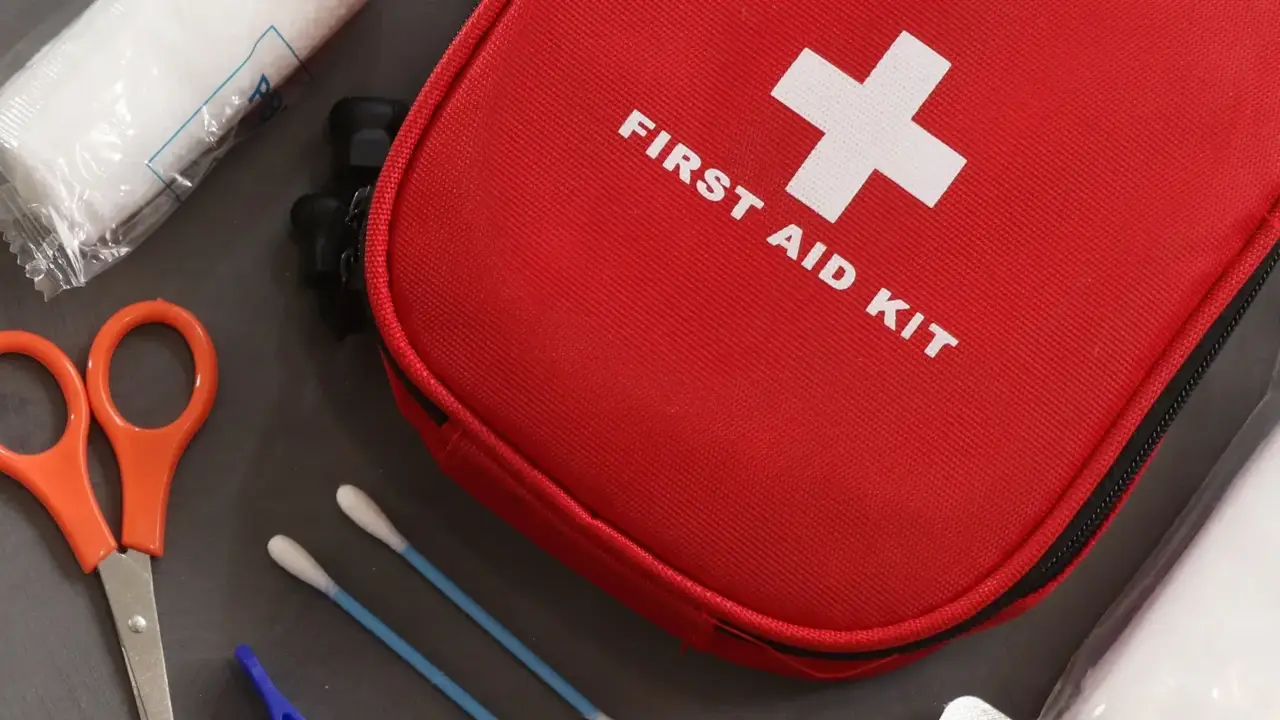
Why a Camping-Specific First-Aid Kit Matters
Camping introduces unique risks like cuts, burns, bites, blisters, and weather-related issues that are less common at home. Packing a compact but complete first-aid kit tailored to outdoor activities helps you respond quickly, prevent small problems from becoming big ones, and stay more comfortable on your trip.
First-Aid Kit Basics
Start with a sturdy, easily recognizable bag or box that keeps supplies dry and organized. Clear pouches, labeled sections, or small zip-top bags make it easier to find what you need in a hurry, especially in low light.
Container and Essentials
- Water-resistant or waterproof pouch, case, or box
- Small notebook and pen or pencil for noting symptoms, times, and medications given
- Printed emergency contact list and allergy information for everyone in your group
- Basic first-aid instructions or quick-reference card
Wound Care and Bandaging Supplies
Minor cuts, scrapes, and blisters are among the most common camping injuries, so wound care items form the core of your kit. Aim for a mix of quick bandages and supplies to handle slightly more complicated wounds.
Cleaning and Antiseptic
- Alcohol wipes or antiseptic wipes
- Small bottle of saline solution or wound wash
- Antibiotic ointment or cream
- Disposable gloves (nitrile or latex-free)
Bandages and Dressings
- Adhesive bandages in assorted sizes
- Sterile gauze pads (small and large)
- Adhesive tape or medical cloth tape
- Elastic bandage wraps (for strains and securing dressings)
- Non-stick pads for larger abrasions or burns
- Butterfly closures or wound-closure strips
Tools for Wound Care
- Small scissors or trauma shears
- Tweezers for splinters and debris
- Safety pins or clips for securing bandages
- Cotton swabs or cotton-tipped applicators
Pain Relief, Allergy, and Digestive Medications
Over-the-counter medications can make a big difference in your comfort if you develop a headache, muscle soreness, allergy symptoms, or mild stomach issues at camp. Keep all medications in original labeled containers when possible and store them safely away from children.
Pain and Fever
- Pain reliever and fever reducer (such as acetaminophen or ibuprofen, as appropriate for you)
- Anti-inflammatory tablets if recommended by your healthcare provider
Allergy and Bites
- Oral antihistamine tablets
- Hydrocortisone cream or other anti-itch cream
- After-bite or sting relief wipes or sticks
- Cold-pack (instant ice pack) for swelling
Digestive and Other Common Issues
- Antacid tablets for heartburn
- Anti-diarrheal medication
- Electrolyte packets or oral rehydration salts
- Motion-sickness tablets if needed for travel or boat outings
Always check expiration dates and avoid packing medications you have never taken before without talking to your healthcare provider.
Sun, Heat, Cold, and Environmental Protection
Outdoor conditions can change quickly, and being prepared for sun, heat, and cold helps prevent more serious problems like heat exhaustion or hypothermia. These items often live partly in your first-aid kit and partly in your regular camping gear.
Sun and Heat
- Broad-spectrum sunscreen
- Lip balm with SPF
- Aloe vera gel or after-sun lotion
- Electrolyte drink mix for hot days and strenuous hikes
Cold and Exposure
- Emergency space blanket or bivy
- Hand warmers (single-use packets)
- Extra pair of dry socks stored in a plastic bag
Bites, Stings, and Plants
- Insect repellent
- Tick remover tool or fine-tipped tweezers
- Calamine lotion or similar rash-relief lotion
- Rash or poison-ivy wash if you are camping where these plants are common
Personal and Trip-Specific Items
Every group has different needs, so tailor your first-aid kit to your medical history, destination, and planned activities. Review your kit before each trip and update it as needed.
Personal Medications
- All daily prescription medications in sufficient quantity for the trip plus extra
- Rescue inhaler for asthma if prescribed
- Epinephrine auto-injector (EpiPen or similar) if prescribed for severe allergies
- Any other condition-specific medications (for migraine, heart conditions, etc.)
Activity-Specific Items
- Blister care supplies (moleskin, blister dressings, tape) for hiking-focused trips
- Extra cold packs and compression wraps for more strenuous activities or sports
- Water purification tablets or filter if you will be far from potable water
How to Pack and Maintain Your Kit
A well-organized kit is easier to use under stress. Group items by purpose (wound care, medications, environmental, personal) and check the kit before and after each trip.
- Restock any items you used on your last trip, especially bandages and antibiotic ointment.
- Review expiration dates on medications at least once a season and replace as needed.
- Keep the kit in an accessible but protected spot, such as a daypack or central gear bin.
- Consider making a smaller “grab-and-go” version to carry on hikes, leaving the full kit at the campsite.