
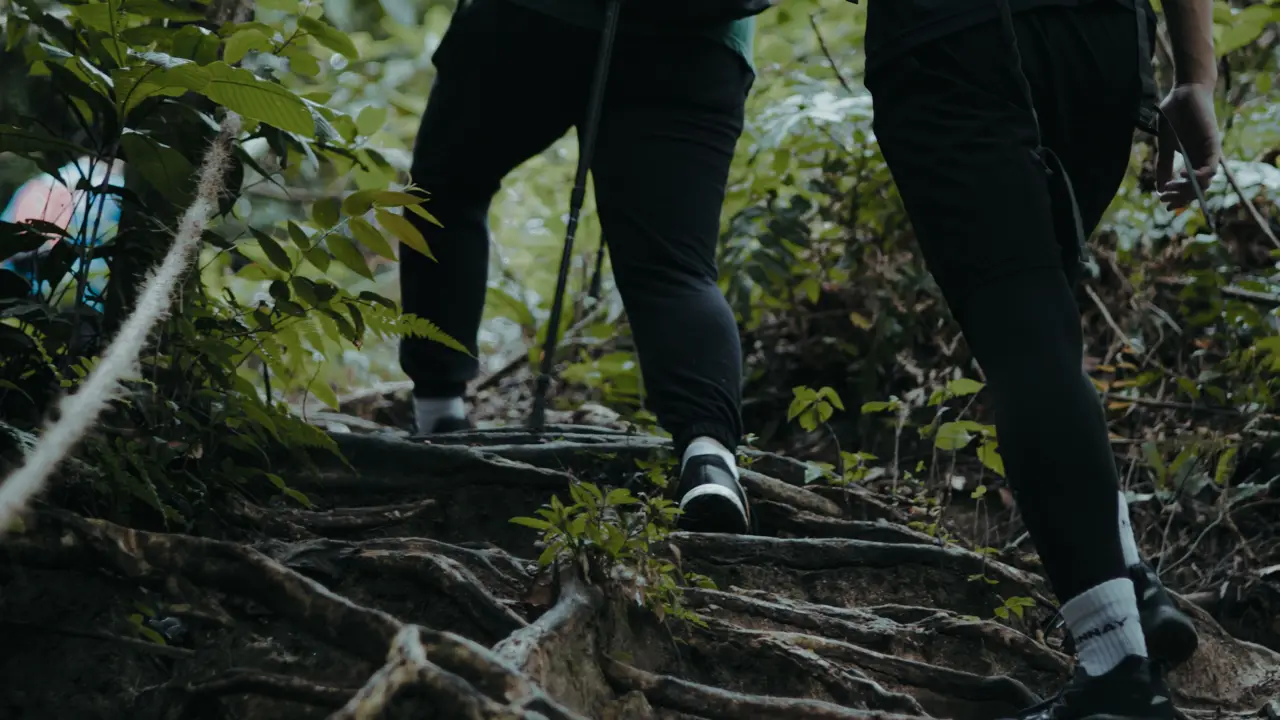
The best hiking gear is not necessarily the most expensive gear. It is gear that fits properly, performs reliably in the conditions you actually encounter, and remains durable enough to justify its cost over time.
For most hikers, the smartest strategy is to spend first on footwear, socks, rain protection, a well-fitting pack, and the safety essentials. Save money on noncritical accessories until you know how often you hike, what terrain you prefer, and whether you are progressing from short local trails to steep, remote, or overnight trips.
This guide explains how to build a hiking kit for different budgets and skill levels, then compares major outdoor retailers—including REI, L.L.Bean, Bass Pro Shops, Cabela’s, Dick’s Sporting Goods, Academy Sports + Outdoors, Scheels, Walmart, and online specialists.
Start With the Ten Essentials
Before comparing premium boots, ultralight packs, trekking poles, or expensive GPS watches, build the safety foundation. The National Park Service organizes the Ten Essentials into these systems: navigation, sun protection, insulation/extra clothing, illumination, first aid, fire, repair kit and tools, nutrition, hydration, and emergency shelter. These are not merely for long wilderness trips; they help hikers manage wrong turns, injuries, weather changes, delays, and unexpected overnights.
| Ten Essential system | Practical hiking gear | Beginner-friendly choice | Upgrade path |
|---|---|---|---|
| Navigation | Printed map, compass, GPS/app | Printed trail map plus downloaded offline phone map | Compass proficiency, dedicated GPS, satellite communicator |
| Sun protection | Hat, sunglasses, sunscreen, UPF clothing | Broad-brim hat, SPF 30+ sunscreen, sunglasses | UPF technical layers, polarized lenses |
| Insulation | Rain shell, fleece, puffy, gloves, hat | Lightweight fleece and packable rain jacket | Layering system matched to season and elevation |
| Illumination | Headlamp plus backup power | Reliable headlamp with spare batteries | Rechargeable headlamp and battery bank |
| First aid | Personal first-aid kit and blister care | Compact kit plus blister pads | Customized kit for group size and medical needs |
| Fire | Lighter, waterproof matches, fire starter where lawful | Mini lighter and backup matches | Redundant ignition and appropriate emergency fire kit |
| Repair/tools | Knife, multitool, tape, cordage | Small multitool and wrapped duct tape | Field-repair kit matched to your gear |
| Nutrition | Extra calories beyond the planned hike | Extra energy bars, nuts, trail mix | Calorie plan for long distance and cold weather |
| Hydration | Water capacity and water treatment | Two water bottles or hydration reservoir | Filter, purification backup, higher carrying capacity |
| Emergency shelter | Bivy, emergency blanket, tarp | Lightweight emergency bivy/blanket | Durable emergency shelter for remote hikes |
The right kit varies by trail length, weather, remoteness, season, and group size. A one-mile nature walk near a visitor center requires less redundancy than an all-day hike in remote terrain, but the basic systems should still be considered.
The Best Gear Priorities
1. Hiking footwear: your most important purchase
Your hiking footwear determines comfort, traction, stability, blister risk, and confidence on uneven terrain. A premium boot that fits poorly is worse than a moderately priced shoe that fits correctly.
Choose based on terrain and load—not appearance.
| Hiking situation | Best footwear category | What to prioritize | Avoid |
|---|---|---|---|
| Flat, dry, maintained trails | Trail-running shoe or light hiking shoe | Comfort, breathable upper, flexible sole, dependable traction | Heavy boots purchased only for “ankle support” |
| Rolling trails, roots, loose gravel | Hiking shoe or mid-height boot | Grippy outsole, toe protection, stable heel, secure lacing | Loose-fitting shoes or worn-out tread |
| Wet trails, streams, frequent rain | Waterproof hiking shoe or boot, depending on temperature | Waterproof membrane, traction, drainage planning, spare socks | Assuming waterproof footwear will keep feet dry in deep water |
| Rocky, steep, technical terrain | Supportive hiking boot or structured trail shoe | Stability, durable toe cap, rock protection, firm outsole | Soft casual sneakers with minimal tread |
| Heavy pack or overnight hiking | Mid- or high-cut boot, depending on preference | Load support, torsional stiffness, secure heel hold, durability | Breaking in brand-new boots on a long trip |
| Hot, humid Southern trails | Breathable trail shoe or non-waterproof hiking shoe for many hikers | Fast drying, ventilation, traction, sock system | Overly insulated waterproof boots in consistently hot conditions |
What matters most in footwear
- Fit: Your heel should remain secure without painful rubbing; your toes need enough room to avoid hitting the front on descents.
- Traction: Look for a grippy outsole with lugs suited to dirt, mud, rock, and wet leaves.
- Support: More structure helps under heavier loads and uneven terrain, but it often adds weight.
- Protection: Toe caps and rock plates matter on rocky trails.
- Drying speed: In humid or rainy conditions, breathable shoes can sometimes be more practical than waterproof shoes because they dry faster after water enters.
- Break-in: Wear new footwear around town and on short walks before a major hike.
- Socks: A quality merino-wool or synthetic hiking sock often prevents more blisters than an expensive boot upgrade.
Best value approach
For a beginner who hikes local trails once or twice monthly, a reputable trail shoe plus two or three pairs of quality merino-blend socks is usually a better value than immediately buying a $250–$350 backpacking boot.
For a hiker exploring North Alabama’s rocky, root-filled, wet, or steep terrain, prioritize traction, toe protection, and a stable fit. Carry spare socks in a waterproof bag, especially on rainy days or waterfall hikes.
Clothing: Build a Layering System
The most durable clothing system is based on adaptable layers, not a single “all-weather” jacket. Cotton is comfortable for casual use, but it holds moisture and dries slowly; for hiking, favor synthetic or merino layers that manage sweat and dry more efficiently.
Core hiking clothing system
| Layer | Purpose | Budget option | Better-performance option |
|---|---|---|---|
| Base layer | Moves moisture away from skin | Polyester athletic shirt | Merino or premium synthetic technical shirt |
| Midlayer | Adds insulation | Fleece pullover | Grid fleece or lightweight synthetic insulated jacket |
| Rain shell | Blocks rain and wind | Packable coated rain jacket | Durable waterproof-breathable shell with pit zips |
| Hiking pants/shorts | Mobility and abrasion resistance | Synthetic athletic shorts or inexpensive hiking pants | Durable stretch-woven hiking pants with articulated knees |
| Socks | Blister prevention and comfort | Synthetic athletic socks | Merino-blend hiking socks with targeted cushioning |
| Hat and gloves | Sun and temperature control | Basic cap and knit gloves | UPF sun hat, liner gloves, weather-specific insulated gloves |
Clothing mistakes to avoid
- Hiking in jeans, especially when rain, humidity, cold, or creek crossings are possible.
- Wearing cotton socks on long or wet hikes.
- Buying a very expensive insulated jacket before purchasing rain protection.
- Carrying no extra layer because the parking-lot temperature feels comfortable.
- Assuming a hoodie is a substitute for a rain shell.
- Forgetting that wind and elevation can make a mild forecast feel much colder.
The National Park Service specifically includes extra clothing as an essential system and recommends planning for conditions more severe than those expected.
Packs, Water, and Navigation
Daypack selection
The best daypack is one you can wear comfortably for several hours without shoulder pain, hot spots, or constant shifting.
| Hike type | Recommended capacity | Best features | Typical user |
|---|---|---|---|
| Short local hike | 10–18 liters | Water capacity, small first-aid pocket, breathable back panel | Casual beginner |
| Half-day to full-day hike | 18–28 liters | Hip belt, rain cover or pack liner, side pockets, hydration sleeve | Most regular hikers |
| Long day hike or variable weather | 25–35 liters | Supportive hip belt, external attachment points, larger food/layer capacity | Intermediate hiker |
| Winter, remote, or family hike | 30–40 liters | Strong suspension, emergency gear capacity, organization | Advanced day hiker or family leader |
| Overnight backpacking | 40–65+ liters | Load transfer, adjustable torso, sleeping-system capacity | Experienced backpacker |
A 20–28 liter daypack is the best all-purpose starting range for most adults. It can carry water, food, rain gear, insulation, first aid, a headlamp, navigation tools, and emergency supplies without encouraging overpacking.
Water and filtration
Do not judge water needs only by trail mileage. Heat, humidity, elevation gain, exertion, medication use, and individual sweat rate all matter.
A practical starting plan:
- Carry at least 1.5–2 liters for a moderate day hike in mild conditions.
- Carry more for hot, humid, exposed, strenuous, or remote hikes.
- Bring a water filter or treatment method when you may need to refill from natural sources.
- Know where reliable water sources are located before you depend on them.
- Do not assume clear-looking stream water is safe to drink untreated.
Navigation: do not rely on one phone app
A phone is useful, but it can lose battery, overheat, break, or lose signal. Carry an offline map and know the route before starting. For hikes beyond short, clearly marked trails, add a paper map and compass—and learn how to use them.
The National Park Service includes map, compass, and GPS system under navigation and stresses that hikers should know how to use those tools before heading out.
Budget Gear Plans
These sample budgets are designed for the most common hiking needs. They are not rigid shopping lists; prices vary with sales, season, brand, and whether you already own compatible clothing.
Budget 1: First-time day hiker
Typical target: $175–$350, excluding phone
| Item | Target spend | What to buy |
|---|---|---|
| Trail shoes or hiking shoes | $65–$130 | Comfortable fit, reliable tread, toe protection |
| Socks | $15–$35 | Two pairs of merino-blend or technical socks |
| Daypack | $30–$70 | 15–22 liter pack with water pockets |
| Water system | $15–$35 | Two bottles or simple hydration reservoir |
| Rain layer | $25–$70 | Packable rain jacket, not merely a windbreaker |
| Headlamp | $20–$40 | Reliable headlamp with spare batteries |
| First-aid/blister care | $15–$35 | Compact kit plus blister pads |
| Sun protection | $15–$35 | Hat, sunscreen, sunglasses |
| Emergency items | $15–$35 | Emergency bivy/blanket, lighter, whistle, multitool |
Best use case: Maintained trails, local parks, beginner hikes, short waterfall routes, family outings, and fair-weather day trips.
Where to save: Trekking poles, technical pants, brand-name fleece, expensive GPS watches, and large backpacks.
Where not to cut corners: Footwear fit, water capacity, rain protection, headlamp reliability, and first-aid/blister care.
Budget 2: Regular weekend hiker
Typical target: $400–$800
| Item | Target spend | Upgrade priority |
|---|---|---|
| Quality footwear | $120–$200 | Durable outsole and better fit for uneven terrain |
| Technical socks | $35–$70 | Multiple pairs for rotation and wet conditions |
| 20–30 liter daypack | $90–$180 | Supportive hip belt, ventilation, hydration compatibility |
| Rain shell | $90–$200 | Waterproof-breathable construction and ventilation |
| Midlayer | $50–$130 | Fleece or lightweight insulation |
| Water filter | $30–$60 | Reliable filter for longer/remote hikes |
| Trekking poles | $60–$160 | Useful for steep terrain, knees, balance, and stream crossings |
| Improved first aid/navigation | $40–$100 | Customized kit, compass, map case, backup power |
| Headlamp and emergency kit | $50–$100 | Brighter output, rechargeable battery, proper emergency shelter |
Best use case: Longer day hikes, uneven and rocky trails, changing weather, frequent weekend use, travel hiking, and hikes where you may finish near dusk.
Budget 3: Advanced day hiker or beginning backpacker
Typical target: $900–$1,800+
| Item | Target spend | Upgrade priority |
|---|---|---|
| Technical footwear | $150–$280 | Match footwear to terrain, pack weight, and climate |
| Premium pack | $180–$350 | Professional fitting, adjustable torso, durable suspension |
| Technical shell and insulation | $250–$600 | Weather protection, ventilation, low weight, long-term durability |
| Water treatment system | $50–$150 | Filter plus chemical or mechanical backup |
| Navigation/communication | $150–$450+ | GPS, satellite communicator, spare power, map-and-compass skill |
| Trekking poles | $120–$250 | Durable, adjustable, low weight |
| Backcountry first aid | $75–$150 | Personalized for remoteness, group size, medications, and duration |
| Overnight system | $400–$1,000+ | Tent, sleeping bag/quilt, pad, stove, cookware, bear-safe food storage as required |
Best use case: Remote hikes, mountain travel, shoulder-season hiking, overnight trips, routes with limited cell service, or trips where safety margins matter more than saving ounces or dollars.
Performance, Durability, and Value
A useful way to shop is to classify gear into three tiers.
| Tier | What it means | Best for | Shopping principle |
|---|---|---|---|
| Entry-level value | Safe, functional gear with fewer refinements | New hikers and occasional use | Buy basic quality, then replace only what limits your hiking |
| Midrange sweet spot | Better materials, comfort, warranties, and durability | Most regular hikers | Usually the best performance-per-dollar tier |
| Premium/technical | Lower weight, stronger weather protection, specialized materials, refined fit | Frequent, remote, harsh-weather, or high-mileage use | Buy when a specific need justifies the cost |
Spend more on these items
- Footwear that fits your feet.
- Hiking socks.
- A rain shell that actually performs in sustained rain.
- A pack that matches your torso and load.
- Water treatment for remote or longer outings.
- A dependable headlamp.
- First-aid and blister supplies.
- Navigation and emergency communication for trips beyond reliable cellular coverage.
Save money on these items
- Branded water bottles.
- Fashion-oriented hiking apparel.
- Titanium cookware for casual day hiking.
- Specialty organizers and camp accessories.
- Premium trekking poles before you know you will use them.
- Expensive GPS watches if your existing phone, offline maps, paper map, and compass meet your needs.
- Large packs that encourage unnecessary weight.
National Outdoor Retailer Comparison
Retailer choice matters because hiking gear is fit-sensitive. Boots, backpacks, rain shells, and trekking poles are easier to evaluate in person, while socks, filters, lights, and basic layers are often excellent online purchases.
| Retailer | Best for | Strengths | Limitations | Best-value shopping strategy |
|---|---|---|---|---|
| REI Co-op | Serious beginners through experienced hikers | Broad technical selection, knowledgeable staff at many locations, strong in-store fitting, used/outlet options, REI brand value, extensive instructional resources | Regular prices can be higher; store access varies by region | Try on boots and packs in person; use member offers, Outlet, Re/Supply used gear, and seasonal sales |
| L.L.Bean | Durable casual outdoor gear, families, day hikers, cold/wet-weather basics | Excellent reputation for practical outdoor clothing, approachable gear, strong customer service, sturdy everyday products | Less focused than REI on high-end ultralight, technical mountaineering, or niche backpacking systems | Buy durable outerwear, fleece, casual hiking clothing, daypacks, and footwear during promotions |
| Bass Pro Shops | Camping, fishing, hunting, car-camping, family outdoor travel | Large stores, broad assortment, strong availability in many markets, good for camp gear, coolers, fishing and outdoor accessories | Hiking-specific technical brands and expert footwear/pack fitting may be more variable by location | Compare tents, coolers, hydration, lighting, base layers, and general camping gear; try footwear before buying |
| Cabela’s | Hunting, fishing, camping, rugged outdoor gear | Similar to Bass Pro Shops, extensive outdoor assortment, practical equipment for multi-activity trips | Less hiking-specialist focus than REI or dedicated outdoor stores | Strong option for camp systems, durable clothing, accessories, and outdoor travel gear |
| Dick’s Sporting Goods | Accessible basics and mainstream athletic/hiking brands | Convenient locations, frequent promotions, broad footwear and clothing assortment, useful for beginner essentials | Technical backpacking, water treatment, navigation, and specialized hiking selection can be limited | Shop sales for trail shoes, socks, hydration, sun protection, layers, and basic packs |
| Academy Sports + Outdoors | Budget-minded hikers and Southern outdoor travel | Strong value orientation, frequent promotions, broad footwear, camping, fishing, and outdoor inventory | Technical fit support and high-end specialty selection vary by store | Good first stop for basic footwear, packs, rain layers, water bottles, headlamps, and family hiking supplies |
| Scheels | Broad, high-quality assortment and in-person shopping | Large stores, premium brands, strong selection of footwear, packs, technical clothing, camping gear, and outdoor accessories | Geographic footprint is more limited than national big-box chains | Use for side-by-side comparisons and fitting; watch for brand promotions and store-specific inventory |
| Walmart | Emergency basics and lowest-cost starter supplies | Convenient, inexpensive, useful for simple essentials, food, basic rain gear, water, sunscreen, and backups | Quality and durability vary greatly; technical fit, footwear, and weather protection can be inconsistent | Use for consumables and backup items—not as the first choice for critical footwear, shelters, or safety gear |
| Backcountry | Online technical selection | Broad premium online inventory, strong brand range, frequent sales | No physical fit test; returns and shipping logistics require attention | Best after you know your sizing and preferred brands |
| Moosejaw | Online/outlet-oriented technical gear shopping | Promotional pricing, technical brands, periodic closeout value | Fit requires online ordering; selection may fluctuate | Best for discounted known-size apparel, footwear, and previous-season gear |
| Outdoor Research, Patagonia, The North Face, Columbia, and brand-direct sites | Brand-specific clothing and technical equipment | Direct warranty information, seasonal clearance, brand-specific expertise | Less useful for one-stop comparison shopping | Buy when you know the exact model or can capture clearance pricing |
Important retailer-policy note
Return policies matter most for footwear, packs, and expensive gear, but they change and have exclusions. Always verify the current policy before purchase.
- REI states that most purchases may be returned within one year, while outdoor electronics have a 90-day return window; ordinary wear and tear and damage from misuse or accidents are excluded. A one-time $20 membership may include an annual member dividend—typically 10% on eligible purchases, though not guaranteed.
- L.L.Bean states that directly purchased products may generally be returned within one year if you are not 100% satisfied; after one year, the company considers returns for defects in materials or workmanship, subject to exclusions.
- Bass Pro Shops states that most catalog or online purchases can be returned within 60 days with valid proof of purchase; returns after 60 days are accepted on an inspection basis. Bass Pro Shops and Cabela’s accept each other’s returns.
How to Shop Smarter
Buy in person when possible
Purchase or try on these items in person:
- Hiking shoes and boots.
- Daypacks and backpacking packs.
- Rain shells and insulated jackets.
- Trekking poles.
- Sleeping pads and backpacks if you plan to camp overnight.
A good retailer should let you walk around in boots, wear the socks you intend to hike in, test the lacing system, and put weight in a pack before making a decision.
Buy online when you know the product
Online shopping works well for:
- Replacement socks.
- Water filters and purification tablets.
- Headlamps.
- Sunscreen and insect repellent.
- Trail snacks and hydration mix.
- Known-size clothing.
- Sale-priced gear you have already tried on.
- Accessories such as dry bags, pack liners, map cases, repair tape, and trekking-pole tips.
Use sales without buying the wrong item
The best hiking gear sale is not the lowest percentage discount. It is a good item you will use regularly at a price that fits your budget.
Look for:
- End-of-season clearance.
- Memorial Day, Labor Day, Black Friday, and post-holiday sales.
- REI member promotions and Outlet/Re/Supply inventory.
- Brand-direct clearance sections.
- Previous-year colorways or models.
- Retailer price matching, where available.
- Used gear for packs, trekking poles, outer layers, and some camping equipment—after checking condition carefully.
Avoid buying footwear or rain gear simply because the discount is large. Poor fit or unreliable waterproofing turns a “bargain” into money wasted.
Gear Recommendations by Hiker Type
The casual local hiker
Typical trip: One to five miles on established trails, good weather, close to town or a trailhead.
Prioritize:
- Trail shoes or supportive athletic shoes with real traction.
- Technical socks.
- Small daypack.
- One to two liters of water.
- Hat, sunscreen, and rain layer.
- Headlamp, phone, basic first aid, and snack.
- Offline trail map.
Best shopping mix: Academy, Dick’s, REI, L.L.Bean, or a local running/outdoor store.
The North Alabama weekend hiker
Typical trip: Waterfall trails, roots, wet leaves, rocky paths, bluff terrain, heat, humidity, or sudden rain.
Prioritize:
- Grippy hiking shoes or light boots.
- Extra socks in a waterproof bag.
- 20–28 liter pack.
- Waterproof rain shell.
- Water filter for longer routes.
- Trekking poles for steep, slippery, or rocky terrain.
- First-aid kit with blister care.
- Headlamp and emergency shelter.
- Detailed route plan and offline navigation.
Best shopping mix: REI for footwear and pack fitting; Academy, Bass Pro Shops, or Dick’s for supplemental gear; online retailers for sale-priced replacement items.
The serious day hiker or aspiring backpacker
Typical trip: Long mileage, significant elevation, colder weather, remote terrain, overnight trips, or limited cell service.
Prioritize:
- Properly fitted footwear and load-bearing pack.
- Layered clothing system with reliable shell.
- Water filter plus backup treatment.
- Map, compass, offline GPS, and emergency communication plan.
- Enhanced first-aid and repair kit.
- Quality headlamp and backup power.
- Emergency shelter.
- Skill development: weather assessment, route planning, navigation, first aid, and backcountry ethics.
Best shopping mix: REI, Scheels, specialized local outdoor stores, and brand-direct/online specialty retailers once sizing is known.
Sample Gear Checklist
Essential day-hike checklist
- Hiking shoes or boots.
- Technical socks.
- Daypack.
- Water and electrolyte option.
- Food plus extra emergency snacks.
- Rain shell and insulating layer as needed.
- Hat, sunscreen, sunglasses, and insect protection.
- Offline map, paper map, and navigation backup.
- Headlamp.
- First-aid and blister kit.
- Knife or multitool.
- Whistle.
- Emergency blanket or bivy.
- Charged phone and backup battery.
- Trekking poles for steep, slippery, or high-mileage hikes.
Optional but useful upgrades
- Lightweight sit pad.
- Waterproof phone pouch.
- Pack liner or dry bags.
- Camera/binoculars.
- Gaiters for mud, brush, snow, or debris.
- GPS watch.
- Satellite communicator for remote routes.
- Bear spray only where appropriate and legal; know how to carry and use it.
- Ultralight umbrella for sun or rain.
- Portable water filter.
- Lightweight camp towel.
Final Buying Advice
A practical hiking setup does not require spending thousands of dollars on the first trip. Begin with footwear that fits, technical socks, enough water, rain protection, a headlamp, navigation, and the Ten Essentials. Then upgrade based on experience.
If your feet hurt, improve footwear and socks. If you get wet or cold, improve your layers and rain shell. If your shoulders ache, invest in a better pack. If you hike farther from help, improve navigation, water treatment, emergency shelter, first aid, and communication.
The most valuable gear is not the item with the biggest logo or highest price. It is the equipment that lets you hike safely, comfortably, and often—whether you are taking a short family walk near DeSoto Bluffs Campground, exploring a North Alabama waterfall trail, or planning a more ambitious backcountry adventure.