
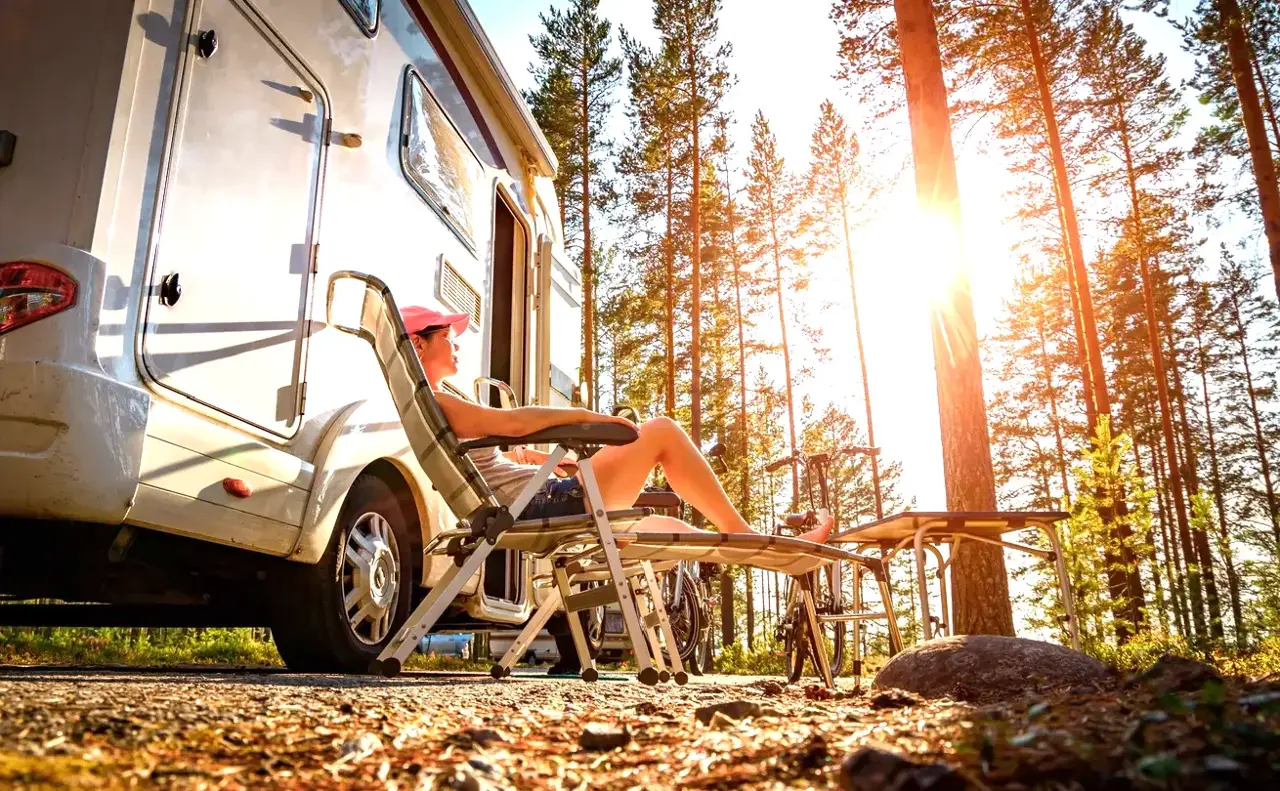
What to Expect on Your First Camping Trip
For your first trip, choose a developed campground with basics like marked sites, parking, restrooms, and potable water when possible. These campgrounds usually have a picnic table, fire ring, and nearby trash or dumpster area, and some offer showers or electric hookups.
Expect to spend time setting up your “home base” before you can relax, including pitching your tent, arranging sleeping gear, and organizing your cooking area. You will also hear more nighttime sounds than at home, such as wind, insects, and other campers, which is normal even in well-managed campgrounds.
Before You Go: Planning Basics
- Pick the right campground. Look for a site that matches your comfort level, such as a state park or private campground with bathrooms, running water, and clearly marked sites.
- Check the rules. Confirm check-in times, quiet hours, fire restrictions, pet policies, and whether firewood must be purchased locally.
- Watch the weather. Look at both daytime highs and nighttime lows to guide your clothing and sleeping bag choices.
- Practice at home. If you can, set up your tent and test your stove in your yard or living room before the trip so you are not learning everything in the dark.
Camping Gear Checklist: The Essentials
You do not need every piece of gear on the market, but a few core items make a big difference in your comfort and safety. Lists from national parks, major outfitters, and experienced campers all emphasize shelter, sleep, light, and basic comfort.
Campsite and Shelter
- Tent with rainfly, stakes, and guylines.
- Footprint or groundsheet (tarp) under the tent to protect the floor.
- Sleeping bag rated for the expected temperature.
- Sleeping pad, foam pad, or air mattress for insulation and comfort.
- Camping pillow or a small pillow from home.
- Headlamps or flashlights plus extra batteries.
- Lantern for the picnic table or cooking area.
- Camp chairs for sitting around the fire or at your site.
- Optional: small camp table if your site does not have a picnic table.
If you are car camping, it is fine to bring bulkier options like an air mattress or extra blankets to make sleep more comfortable.
Cooking and Food
- Camping stove or grill plus appropriate fuel.
- Matches or lighter in a waterproof container.
- Pots and/or skillet suitable for your stove or the campfire.
- Plates, bowls, cups, and eating utensils (reusable or disposable).
- Cutting board and basic cooking tools such as spatula, tongs, and stirring spoon.
- Cooler with ice for perishable food and cold drinks.
- Plenty of drinking water or a plan to refill from potable sources at the campground.
- Biodegradable soap, sponge, and small tub or bin for washing dishes.
- Trash bags to pack out all garbage and food scraps.
Clothing and Personal Items
- Weather-appropriate layers: base layers, insulating layer (fleece or light jacket), and a waterproof outer layer if rain is possible.
- Comfortable closed-toe shoes plus optional hiking shoes or boots.
- Extra socks and underwear in case of rain or sweat.
- Sleepwear appropriate to nighttime temperatures.
- Hat and sunglasses for sun protection.
- Toiletries including toothbrush, toothpaste, hand sanitizer, and any daily medications.
- Towel and washcloth or quick-dry camp towel if showers are available.
- Bug spray and sunscreen.
Safety and “Just in Case” Items
- First aid kit with bandages, pain relievers, antiseptic wipes, and any personal medications.
- Multi-tool or knife for small camp tasks.
- Map of the area, campground map, and fully charged phone, plus power bank if needed.
- Whistle or other signaling device in case you need to attract attention.
- Small repair kit including duct tape, tent pole splint, and patch kit for air mattress if you use one.
- Extra garbage bags for packing out trash and keeping gear dry.
How to Pack Smart for Your First Trip
Pack in a way that keeps the most important items easy to reach as soon as you arrive. Many campers find it helpful to group items in bins or duffel bags labeled for “sleep,” “kitchen,” and “clothes,” so setup is more organized.
- Lay everything out at home. Use this checklist to lay out gear on the floor and visually confirm that you have one item from each category.
- Protect soft items. Keep sleeping bags, clothing, and pillows in waterproof bags or plastic totes if rain is in the forecast or your vehicle is packed tightly.
- Keep critical items accessible. Place your tent, headlamps, and jackets near the top of the car load so you can reach them quickly if you arrive near dusk.
- Use a written list. Check off each item as it goes into the car so you avoid leaving key pieces like the tent poles or stove fuel at home.
Camp Etiquette and Leave No Trace Basics
Good camping etiquette helps protect the environment and keeps campgrounds pleasant for everyone. Common recommendations include planning ahead, camping only on established sites, packing out all trash, and respecting wildlife by observing from a distance and never feeding animals.
Be mindful of quiet hours, keep music and voices down at night, and aim to leave your campsite as clean or cleaner than you found it. If you are unsure about a rule, check posted signs or ask campground staff when you arrive so you can stay within local guidelines.