
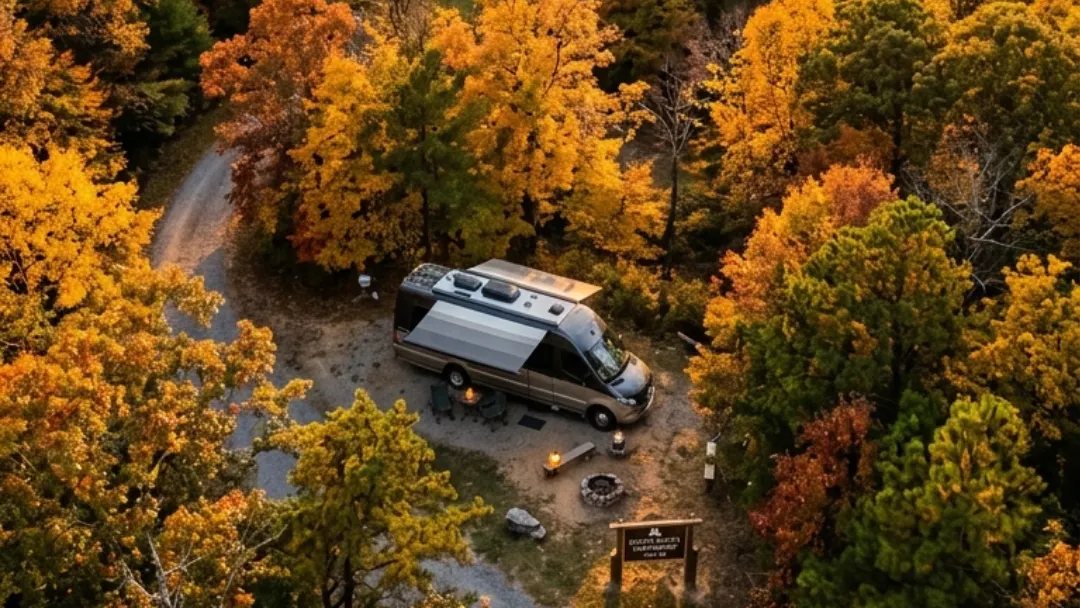
North Alabama is one of the Southeast’s most rewarding RV destinations: a region of forested mountains, waterfalls, sandstone bluffs, winding scenic roads, and outdoor experiences that can fill a long weekend or an extended stay. For travelers who want more than a convenient place to park, DeSoto Bluffs Campground offers a basecamp-style camping experience centered on the outdoors—hiking, rock climbing, bird watching, stargazing, and simple campsite time with family and friends.
The Lookout Mountain and Fort Payne area is especially well suited to RV travelers because the destination combines scenic landscapes with a wide range of activity levels. Spend the morning on a trail, the afternoon exploring sandstone formations or nearby attractions, and the evening around the fire as the sky turns dark above the campground.
Why RV Camp in North Alabama?
North Alabama gives RV campers a meaningful change of scenery from the coast, interstate corridor, and crowded resort-style campground experience. The region’s appeal is its combination of elevation, forests, creeks and waterfalls, outdoor recreation, and small-town access.
The greater DeSoto/Lookout Mountain region is known for scenic terrain and a strong outdoor identity. DeSoto State Park, near Fort Payne, sits on Lookout Mountain and includes more than 35 miles of hiking trails, mountain biking routes, waterfalls, wildflowers, and access to the broader Little River Canyon area. The surrounding DeKalb County area also offers hiking, paddling, fishing, birding, climbing, and memorable scenic drives.
For RV campers, that means each day can be as relaxed or adventurous as you choose:
- Enjoy a quiet morning coffee beneath the trees.
- Hike wooded trails and look for waterfalls or rock formations.
- Spend an afternoon climbing or exploring the area’s sandstone bluffs.
- Photograph birds, wildflowers, changing leaves, and dramatic landscapes.
- Return to camp for dinner, a campfire, board games, and a night under the stars.
Stay at DeSoto Bluffs Campground
DeSoto Bluffs Campground is designed for RV travelers who want to stay close to the natural character of North Alabama. Rather than treating the campground as simply a stop between destinations, use it as the center of your trip.
A well-planned RV stay begins with three things:
- Choose the right site for your rig. Current sites are back-in, 28 to 60 feet long, and fit RVs up to 55 feet. Confirm your RV length, slide-out requirements, electrical needs, water needs, vehicle parking, and any tow-vehicle considerations before arrival.
- Plan your activity days around weather and daylight. North Alabama’s trails, bluffs, and wooded terrain are most enjoyable when you leave enough time to return before dark. In warmer months, begin hikes and climbing activities early; in cooler seasons, use the shorter daylight period as a reason to build in a relaxed campfire evening.
- Leave room for unplanned time at camp. The best RV trips are not usually scheduled minute by minute. A spare afternoon for sitting outside, reading, cooking over the fire, watching birds, or simply enjoying the landscape is part of the experience.
Before booking, verify current site dimensions, utility hookups, road access, pet policies, campfire rules, quiet hours, check-in procedures, and seasonal conditions directly with DeSoto Bluffs Campground.
Hiking From Your Basecamp
Hiking is one of the defining reasons to bring an RV to North Alabama. The Lookout Mountain area offers wooded trails, water features, changing elevations, sandstone formations, and viewpoints that reward both casual walkers and more experienced hikers.
DeSoto State Park, located near Fort Payne, has an extensive trail network with more than 35 miles of hiking trails and more than 11 miles of mountain-biking trail. It also offers an ADA-accessible boardwalk trail. Regional visitor resources describe the nearby trail system as ranging from relaxed to moderate routes, with opportunities to encounter rock formations, seasonal waterfalls, native plants, and views connected to the West Fork of the Little River.
A practical hiking plan
For a comfortable RV-camping day, consider this rhythm:
- Morning: Pack water, snacks, rain gear, a basic first-aid kit, and a charged phone or GPS device. Start early during warm weather.
- Midday: Return to DeSoto Bluffs Campground for lunch, rest, and hydration.
- Afternoon: Take a shorter walk, photograph the landscape, or visit a nearby scenic point.
- Evening: Relax at your site rather than trying to fit in another major excursion.
What to bring
- Closed-toe hiking shoes with reliable traction.
- Refillable water bottles or a hydration pack.
- Weather-appropriate layers; mountain and wooded conditions can feel cooler or wetter than expected.
- Insect repellent and sunscreen.
- A paper map or downloaded offline map.
- A small daypack with emergency basics.
- Binoculars if bird watching is part of your plan.
- A camera or smartphone with extra battery capacity.
Stay on marked trails, respect closures and weather advisories, and use caution around wet rock, waterfalls, steep slopes, and cliff edges.
Rock Climbing and Bluff Exploration
North Alabama’s sandstone landscape makes the region appealing to climbers and visitors who enjoy exploring rugged rock formations. The broader Lookout Mountain area is associated with cliffside terrain and outdoor adventure, including rock climbing opportunities. Regional tourism information specifically identifies climbing around the craggy bluffs of Little River Canyon and the wider DeKalb County area.
For a dedicated climbing outing, Cherokee Rock Village is a notable regional destination. It offers primitive tent and RV camping, hiking, bird watching, and more than 200 established sport, traditional, and bouldering routes among expansive sandstone formations.
Climbing safety essentials
Rock climbing is a technical activity. If you are not an experienced climber, the safest and most enjoyable approach is to work with a qualified local guide or go with experienced partners who know the area and route conditions.
- Inspect all equipment before every climb.
- Confirm whether climbing is allowed at the specific location you plan to visit.
- Use established access routes and respect any seasonal or conservation closures.
- Wear a helmet where appropriate.
- Never rely on weather forecasts alone; wet sandstone and storm conditions can change safety quickly.
- Do not climb alone.
- Keep children and non-climbers well clear of fall zones and rope areas.
- Practice Leave No Trace principles and pack out all trash, tape, and food waste.
Even if climbing is not on your itinerary, the area’s rock formations create excellent opportunities for hiking, photography, and quiet exploration. A walk through boulder fields or a scenic overlook can be just as memorable as a technical climbing day.
Bird Watching in North Alabama
For RV campers who travel with binoculars and a field guide, North Alabama can be an especially rewarding destination. Forested slopes, creek corridors, open areas, and varied elevations create a mix of habitats that attract both resident and migratory birds.
The DeSoto State Park area is part of the Alabama Birding Trail. The Talmadge Butler Boardwalk Trail—formerly known as the Azalea Cascades Trail—travels through wooded slopes and moist forest habitat, with a 360-yard boardwalk ending at an observation deck near the pool formed by Azalea Cascades.
Birders in the area may encounter woodland species such as:
- Kentucky Warblers.
- Hooded Warblers.
- Scarlet Tanagers.
- Yellow-throated Vireos.
- Pileated, Red-headed, Red-bellied, Downy, and Hairy Woodpeckers.
- White-breasted and Brown-headed Nuthatches.
- Wood Thrushes.
- Seasonal finches and migrating raptors.
The precise species you see will depend on season, weather, time of day, and habitat. Spring and early summer are particularly active for woodland songbirds, while fall migration can bring raptors overhead. Alabama Birding Trails notes that spring and fall may reveal Red-tailed and Broad-winged Hawks, with the possibility of Golden Eagles in winter.
Best birding routine from camp
- Start early, ideally near sunrise, when many birds are most active.
- Walk quietly and pause often rather than moving continuously.
- Bring binoculars, a regional bird guide or identification app, and a notebook.
- Listen before looking; calls often reveal birds hidden in dense foliage.
- Photograph responsibly, keeping distance from nests and avoiding playback that may disturb wildlife.
- Visit a variety of habitats: forest edge, creekside, open areas, boardwalks, and overlooks.
At the campsite, even a quiet cup of coffee can become a birding session. Keep binoculars close, listen for woodpeckers and songbirds, and note what changes from morning to afternoon.
Night Sky and Stargazing
One of the greatest pleasures of RV camping is the transition from a busy outdoor day to a quiet night at camp. Away from dense city lights, North Alabama’s outdoor settings can offer a far better opportunity to reconnect with the night sky.
At DeSoto Bluffs Campground, consider making stargazing part of your nightly routine:
- Turn off unnecessary exterior lights once you are settled.
- Use red-light mode on headlamps or phones to preserve night vision.
- Allow 20–30 minutes for your eyes to adapt to darkness.
- Bring a reclining camp chair or a blanket.
- Use a star map or astronomy app with dim-screen settings.
- Watch for satellites, meteor showers, planets, and the changing position of the moon.
The best viewing conditions usually come on clear, moonless or low-moon nights. Check the forecast before your trip, but do not let partial clouds spoil the evening. A break in the clouds, the sound of the woods, and a warm drink beside the RV can still make for an excellent night outside.
For astrophotography, bring a tripod, a wide-angle lens if available, a remote shutter option, and extra batteries. Keep lighting low and avoid shining bright lights across neighboring campsites.
Campsite Activities That Make the Trip
The activities at your campsite often become the moments people remember most. After hiking, climbing, or exploring, slow down and make DeSoto Bluffs Campground part of the destination.
Campfire cooking
Plan one easy meal that feels special but does not require a complicated camp kitchen:
- Cast-iron skillet fajitas.
- Grilled chicken, vegetables, and foil-pack potatoes.
- Dutch oven chili or stew.
- Campfire pizza using a portable grill or skillet.
- S’mores bar with different chocolates, cookies, fruit, and marshmallows.
Always follow campground fire policies, local burn restrictions, and any guidance about firewood. Use only approved fire rings or designated fire areas, never leave a fire unattended, and fully extinguish it before bed.
Family and group activities
- Outdoor card games or board games.
- Cornhole, ladder toss, or a compact travel game.
- A campground scavenger hunt for children.
- Nature journaling or sketching.
- Bird-identification challenges.
- Sunset photography.
- Storytelling around the campfire.
- A “no-screen hour” before bed.
- A group stargazing session with a constellation guide.
Quiet solo activities
RV camping also works well for a restorative weekend:
- Read outside with coffee in the morning.
- Photograph trees, rock formations, birds, and changing light.
- Journal about the day’s hike.
- Cook a simple meal from scratch.
- Take an evening walk near camp, where permitted.
- Listen to the forest after dark from the comfort of your campsite.
Suggested Three-Day RV Itinerary
Day 1: Arrive and settle in
Arrive at DeSoto Bluffs Campground with enough daylight to park, level, connect utilities if available, and orient yourself without rushing.
- Set up camp and review campground rules.
- Take a short walk around the campground.
- Prepare an easy dinner.
- Enjoy a campfire or quiet evening outside.
- Look up after dark and begin your stargazing routine.
Day 2: Hiking and birding
Make this your active outdoor day.
- Start with early-morning bird watching.
- Pack a trail lunch and explore a nearby hiking route.
- Return to camp during the warmest part of the day.
- Rest, shower, or prepare a leisurely meal.
- Enjoy a late-afternoon photo walk.
- Spend the evening with campfire food, games, and night-sky viewing.
Day 3: Rock formations and local exploration
Use the final day for a shorter adventure.
- Visit a designated climbing area, bluff, overlook, or regional attraction.
- If you climb, use appropriate gear and experience-level judgment.
- Stop for local food or supplies before returning to camp.
- Break down camp methodically and leave the site cleaner than you found it.
RV Camping Checklist
Before leaving for DeSoto Bluffs Campground, confirm:
- Reservation confirmation and campground contact information.
- RV length, site type, hookups, and arrival requirements.
- Current weather, rainfall, wind, and any burn restrictions.
- Full fuel tank and a plan for groceries, ice, propane, and firewood.
- Leveling blocks, wheel chocks, hoses, adapters, surge protection, and sewer gear as applicable.
- Hiking shoes, water, first-aid supplies, rain gear, and navigation tools.
- Binoculars, camera, chargers, and a star map if desired.
- Camp chairs, lanterns, games, and cooking supplies.
- Pet supplies, leash, waste bags, vaccination records, and campground pet-policy details if traveling with a dog.
Plan Your North Alabama RV Escape
An RV trip to North Alabama can be as adventurous or as restful as you want it to be. At DeSoto Bluffs Campground, the goal is not simply to find a place to sleep between destinations. It is to wake up close to the trail, spend your day in the mountains and among the bluffs, notice the birds in the trees, share an unhurried dinner at camp, and end the evening beneath a wide, dark sky.
Use DeSoto Bluffs Campground as your base for hiking, outdoor exploration, bird watching, rock climbing, and classic campsite time—and give yourself enough time to enjoy the moments between the activities.
Seasonal RV Camping in North Alabama
North Alabama rewards repeat visits because the experience changes dramatically with the season. Before booking at DeSoto Bluffs Campground, match your itinerary to the conditions you enjoy most.
Spring: Waterfalls, wildflowers, and migration
Spring is one of the strongest times to camp in the Lookout Mountain region. Creeks and waterfalls are often at their most active after seasonal rain, woodland trails are lush, and migratory songbirds bring more activity to the forest canopy. It is an excellent season for hiking, photography, and bird watching.
Prepare for muddy trail conditions, rapidly changing temperatures, rain, and insects. Pack waterproof footwear or trail shoes, rain layers, dry bags for electronics, and extra towels for the RV.
Summer: Long days and evening campfires
Summer is ideal for travelers who want full days outdoors, but plan intelligently around heat and afternoon thunderstorms.
Start hikes, birding, and climbing activities early. Reserve the middle of the day for a shaded lunch, rest period, indoor attraction, or quiet time at the campground. Then return outdoors later in the afternoon for photographs, a shorter walk, or campsite games.
Keep plenty of water available at the campsite and in the tow vehicle. Check the weather frequently, especially for lightning, heavy rainfall, flash-flood risks, and slippery rock conditions.
Fall: Cooler weather and color
Fall is often the best all-around season for RV camping in North Alabama. Cooler temperatures make hiking and campsite cooking more comfortable, insects are usually less intense, and the changing leaves add color to mountain roads, forests, and bluff landscapes.
Fall weekends can be popular, so reserve early when possible. Bring layers for cool mornings and evenings, along with warm sleeping gear if you are tent camping alongside your RV setup.
Winter: Quiet campsites and clear skies
Winter camping can be peaceful for RV travelers who are properly prepared. Crowds tend to be smaller, forest views can open up after leaves fall, and clear cold nights can be especially good for stargazing.
Confirm seasonal operating hours, water availability, road conditions, and any weather-related restrictions before leaving home. Protect hoses and plumbing from freezing conditions, carry safe electric heat if appropriate for your RV, and avoid relying on a single power source or route in cold-weather conditions.
Responsible Camping Practices
North Alabama’s woods, bluffs, waterways, and wildlife are the reason people visit. Protecting them is part of being a good campground guest.
Leave No Trace basics
- Pack out all trash, food waste, fishing line, pet waste, and broken gear.
- Stay on designated trails and established access routes.
- Do not carve trees, move rocks, disturb plants, or build unauthorized fire rings.
- Keep food secured and do not feed wildlife.
- Respect quiet hours and neighboring campers.
- Keep pets leashed and under control.
- Follow all fire restrictions and use only approved fire areas.
- Never throw food scraps, grease, or trash into the woods or a fire pit.
- Keep music and lights low after dark.
Respect wildlife
Wildlife sightings are part of the appeal of RV camping, but wild animals should remain wild. Observe from a distance, avoid approaching birds or animals for photographs, and never interfere with nests, dens, or young animals.
If you see a bird of prey, a deer, a fox, or other wildlife near camp, enjoy the moment quietly. Use binoculars or a zoom lens rather than moving closer.
Frequently Asked Questions
Is DeSoto Bluffs Campground suitable for larger RVs?
That depends on the individual site, campground access, turning radius, pad length, hookups, and your RV configuration. Confirm your exact rig length—including tow vehicle or towed vehicle if relevant—when reserving. Ask specifically about pull-through versus back-in sites, slide-out clearance, road width, and any terrain considerations.
Can beginners enjoy the hiking and climbing opportunities?
Yes, but choose activities that match your experience. Many visitors can enjoy short walks, scenic overlooks, birding, and easy-to-moderate trails. Rock climbing requires suitable equipment, training, route knowledge, and an understanding of local access rules. Beginners should use a qualified guide or climb only with capable, experienced partners.
What should I do if the weather changes?
North Alabama weather can change quickly. Check forecasts before leaving the campground, carry rain protection, and turn back if trails become unsafe. Avoid exposed overlooks, rock faces, creeks, and bluff areas during lightning. If heavy rain is expected, be alert to wet rock, falling branches, slick trails, and rapidly rising water.
Are pets allowed?
Leashed, well-behaved pets are welcome, up to two per reservation. Travel with a leash, waste bags, water bowl, vaccination information, and a safe plan for keeping your pet cool, quiet, and supervised.
What should I bring for stargazing?
A reclining camp chair or blanket, a red-light headlamp, a warm layer, binoculars, and a constellation or astronomy app are enough for most campers. Avoid bright white lights, keep phone screens dim, and give your eyes time to adjust to darkness.
How many nights should I stay?
Three nights allow a more relaxed balance of hiking, climbing or sightseeing, bird watching, and campsite time. A four- to five-night stay is ideal for RV travelers who want to explore the broader North Alabama and Lookout Mountain region without rushing.
Your North Alabama Camping Experience Starts Here
The best RV trips are not defined by how many miles you drive or how many attractions you check off a list. They are defined by mornings that begin slowly, trails that lead somewhere beautiful, meals shared outdoors, birds heard before they are seen, and quiet evenings spent looking up at the sky.
DeSoto Bluffs Campground is a place to make North Alabama part of the journey. Use your campsite as the starting point for hiking, bluff exploration, bird watching, rock climbing, local sightseeing, and stargazing—and then return to the comfort of your RV for the part of camping that matters most: time outside, together or alone, without needing to be anywhere else.
Book your RV stay at DeSoto Bluffs Campground and begin planning a North Alabama getaway built around trails, bluffs, birds, campfires, and wide-open night skies.