
How to Use This Guide
The hikes in this guide are all relatively short, with gentle to moderate elevation change, making them ideal for casual walkers, families, and anyone easing into hiking on natural surfaces.
Each seasonal section highlights a handful of nearby trails where the plants and views are especially rewarding at that time of year, plus simple tips for what to watch for as you walk.
Before you head out, check the weather, pack water and sturdy footwear, and let someone know which trail you plan to hike and when you expect to return.
Spring: Wildflower Walks
Bluff-Edge Woodland Loop
Short loop with gentle grades 0.5–1.0 miles Easy
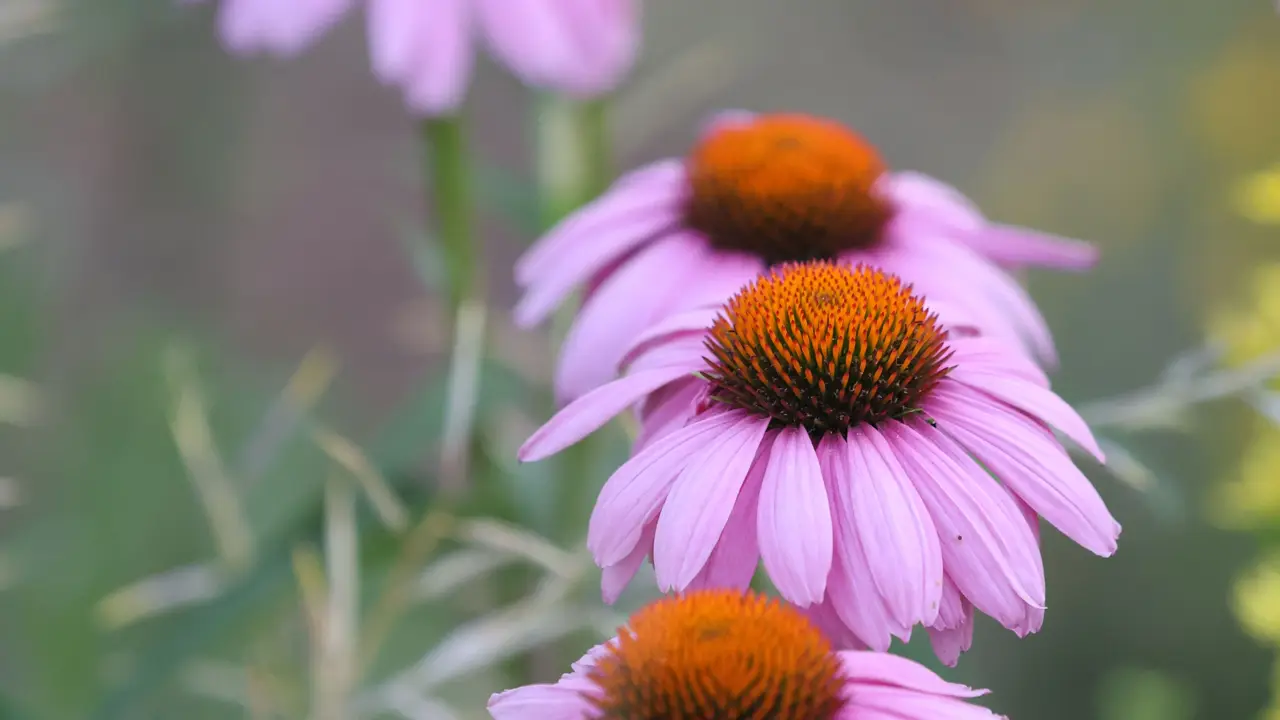
In early to mid-spring, forest floors around Fort Payne come alive with native wildflowers, including trillium, mayapple, violets, and foamflower. A short bluff-edge woodland loop lets you enjoy this display up close while still staying on well-defined paths.
- Look for wildflower clusters in dappled shade along the trail edges rather than stepping off the path to reach them.
- Use a small notebook or phone notes to jot down colors, shapes, and bloom patterns so you can identify them later.
- Pause at overlooks or rock outcrops to notice how plants change with more sunlight and thinner soil.
Creekside Strolls and Seeps
Out-and-back along gentle water features 0.5–1.5 miles Easy
Short creekside walks and small seeps near rocky outcrops often host moisture-loving plants like jack-in-the-pulpit, foamflower, and early ferns unfurling for the season.
- Stay on durable surfaces such as rock slabs or established tread to avoid trampling soft streambank vegetation.
- Watch for small blooms tucked into mossy pockets on rocks, logs, and shaded slopes.
- Keep an eye on footing around wet rocks and mud; take your time and use trekking poles if you have them.
Spring blooms are fragile and slow to recover if disturbed. Enjoy them with your eyes and camera, not your hands, and leave flowers, leaves, and seed heads in place for pollinators and future hikers.
Summer: Ferns and Deep Shade
Shaded Hollow and Fern Trail
Cool, shaded paths in hollows and ravines 0.75–1.5 miles Easy–Moderate
In the heat of summer, cool shaded hollows are filled with ferns, mosses, and lush green groundcover that stay vibrant even on hot days. Short trails that dip into these protected pockets offer a welcome break from full sun.
- Notice the different fern shapes along the trail: delicate fronds, sturdy evergreen varieties, and ferns clinging to rock faces.
- Listen for moving water; seeps and tiny trickles often support the thickest fern carpets.
- Stay centered on the path to protect soft mosses and groundcover from being crushed underfoot.
Ridgetop Shade and Summer Foliage
Short ridgetop paths with filtered views 0.5–1.0 miles Easy
Ridgetop trails with mature hardwood canopy provide a tunnel of green leaves overhead, with glimpses of surrounding valleys through openings in the foliage.
- On calm days, stand quietly to feel the temperature difference between shaded forest and open rock areas.
- Look up from time to time to appreciate the patterns of overlapping leaves and branches against the sky.
- Carry extra water, even on short hikes, and turn around sooner than you think you need to in high heat and humidity.
Light, breathable clothing, a wide-brimmed hat, and insect protection can make summer foliage walks more pleasant. Choose cooler morning or early evening hours when possible.
Fall: Colorful Foliage and Quiet Forests
Overlook Paths and Bluff-Top Views
Short paths leading to views over valleys and canyons 0.25–1.0 miles Easy
In autumn, the hardwoods around Fort Payne turn shades of gold, orange, and red, especially striking when viewed from bluff-top overlooks or rim trails.
- Walk slowly near overlook edges, giving yourself plenty of space from drop-offs and staying behind any fences or natural barriers.
- Use short pauses at viewpoints to take photos, sip water, and listen for migrating birds in the canopy below.
- Watch for fallen leaves hiding rocks and roots on the trail, and shorten your stride to prevent slips.
Forest Floor Color and Late-Season Plants
Loop or out-and-back through mixed hardwood forest 0.75–1.5 miles Easy–Moderate
Even after peak leaf color has passed, the forest floor remains full of interest, with colorful leaves, seed heads, berries, and hardy evergreen plants along the trail.
- Look down as well as up, noticing patterns of fallen leaves, acorns, and pine needles across the ground.
- Step around small saplings and shrubs growing near trail edges rather than brushing through them.
- Layer clothing you can add or remove easily as temperatures change between sun and shade.
Cooler weather and shorter days can be deceptive on short hikes. Start earlier than you think you need to, carry a small light source, and be prepared for temperatures to drop quickly after sunset.
Anytime: Respecting Trails and Plant Life
Trail-Friendly Habits
Protecting the plants and trails you enjoy ensures they remain healthy for future visitors, wildlife, and the wider ecosystem.
- Stay on marked paths instead of creating new shortcuts around roots, mud, or rocks.
- Avoid stepping on delicate plants, wildflowers, and ferns growing near the trail’s edge.
- Do not pick flowers, break branches, or remove rocks, bark, or moss as souvenirs.
- Carry out all trash, including food scraps, tissue, and pet waste bags.
Even a short nature walk can leave a lasting impact if many people stray off-trail or disturb vegetation. Small choices add up.
Enjoying Plants Up Close
You can enjoy wildflowers, ferns, and foliage closely while still giving them room to grow and thrive.
- Use a zoom lens or phone camera instead of leaning or stepping into plants for a better angle.
- Pause in wider spots in the trail to let others pass, keeping narrow sections clear and less worn.
- Teach children to “look with eyes, not hands” when they spot something interesting along the path.
- Share your favorite plant finds with your group using field guides or identification apps back at camp.
Choose a trail length that matches the least-experienced hiker in your group, and turn around sooner if footing, heat, or energy levels make the hike less enjoyable. A short, relaxed walk that ends with everyone smiling is more memorable than pushing for extra distance.